Tracing Player Pathways Through Austrian Casino Apps: From Bonus Claims to Game Exploration and Self-Exclusion Options
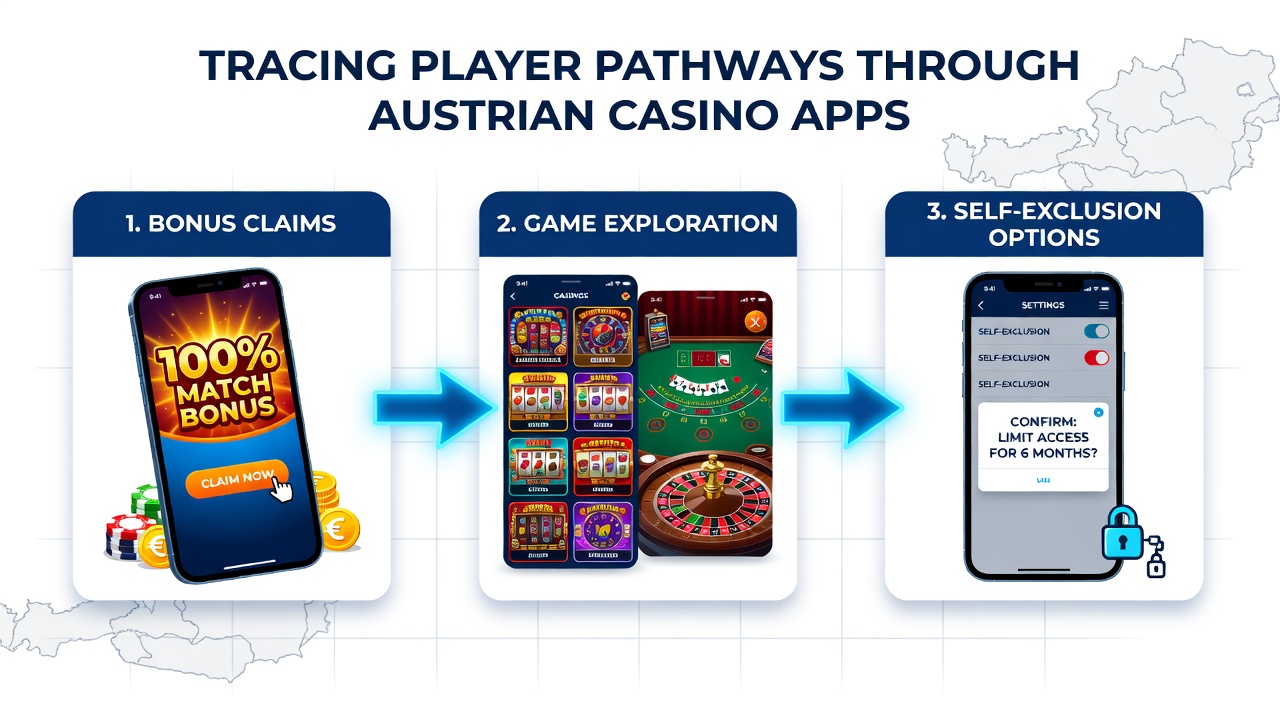
Players in Austria often begin their journey through casino apps by engaging with promotional offers, and this initial step shapes much of what follows in terms of account setup and activity tracking. Data from regulatory reports indicate that bonus claims typically require verification steps such as identity confirmation and deposit minimums before any funds become available for play, while the process integrates directly with Austria's licensing framework under the Glücksspielgesetz.
Once the bonus activates, users move into game exploration phases where app designs guide them through categorized sections for slots, table games, and live dealer options. Studies from European research institutions show that navigation patterns frequently follow algorithmic recommendations based on previous claims, which in turn influence how long players remain engaged before considering breaks or limits.
Bonus Claim Mechanics and Initial Onboarding
Austrian casino apps structure bonus claims around time-bound promotions that align with monthly cycles, and July 2026 updates introduced enhanced tracking for these offers to comply with updated consumer protection guidelines. Users select offers through a dedicated menu, then complete linked tasks like wagering requirements that connect directly to game libraries, creating a seamless transition from claim to active sessions.
Research indicates that successful claims often trigger automated notifications about available games, and this feature helps direct players toward specific titles without overwhelming choices. Those who've examined app analytics note that bonus-related pathways account for a significant portion of first-week activity among new registrants.
Game Exploration Patterns and Feature Integration
After bonuses activate, exploration typically expands across demo modes and real-money sections, where filters allow sorting by volatility, themes, and provider. Observers have documented how these tools support gradual familiarization, especially when apps embed responsible play prompts at key decision points such as session timers or deposit reminders.
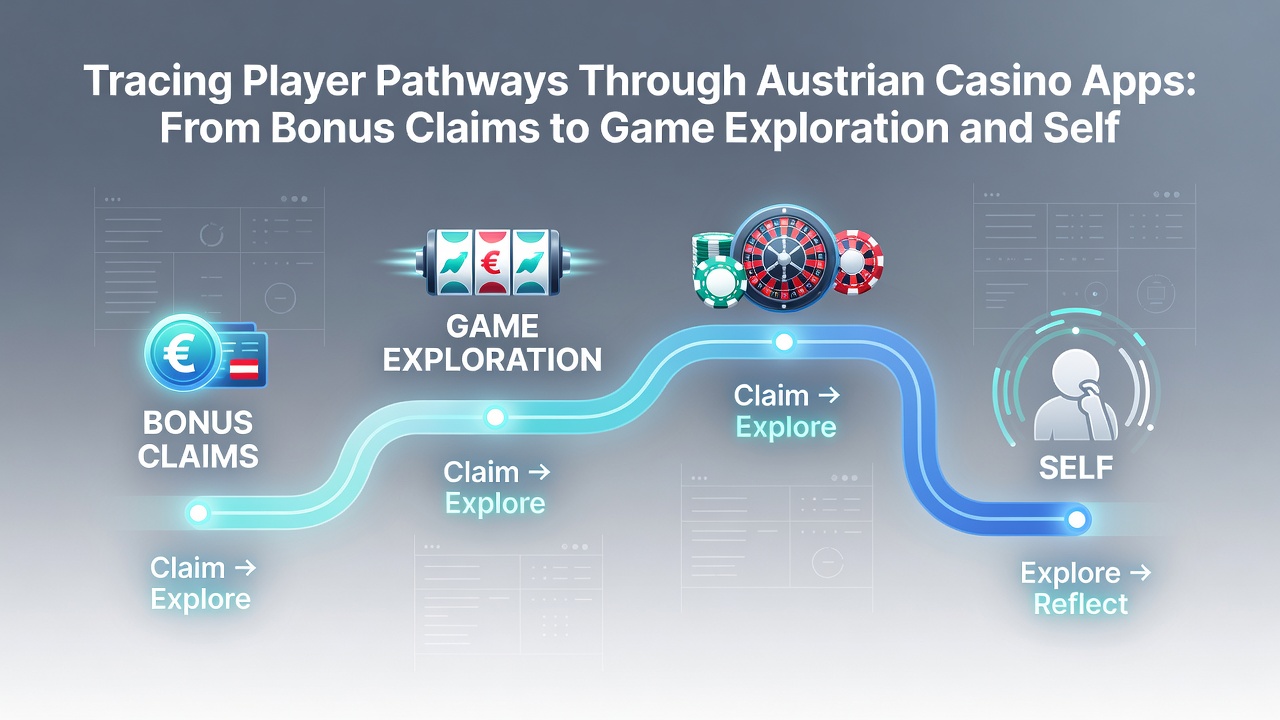
Evidence from industry reports reveals that players who explore multiple categories within the first few sessions tend to utilize built-in limit-setting tools more readily later. Game libraries in Austrian apps must meet strict content standards, and this requirement influences how pathways evolve from casual browsing into structured play sequences that include both high-engagement and low-stakes options.
Self-Exclusion Tools Along the Player Journey
Self-exclusion features appear as accessible menu options that players can activate at any stage, and these tools connect back to bonus and game data for comprehensive account management. Austrian regulations require apps to provide immediate self-exclusion periods ranging from short cooling-off intervals to longer voluntary bans, with reinstatement processes involving mandatory waiting periods and support resource referrals.
Figures from monitoring bodies show increased usage of these options among users who have completed multiple bonus cycles, suggesting a natural progression toward protective measures. Integration with external databases ensures that self-exclusion applies across licensed platforms, and this cross-platform approach prevents circumvention while maintaining privacy standards outlined in national data protection rules.
Take one analysis of user logs that revealed self-exclusion prompts often surface after extended game sessions, guiding individuals toward voluntary pauses without interrupting ongoing explorations entirely. Such mechanisms reflect broader efforts to embed safeguards within everyday app navigation rather than treating them as separate add-ons.
Regulatory Context and Pathway Evolution in 2026
As of July 2026, Austrian authorities implemented refinements to app certification processes that emphasize traceable player pathways from initial claims through to exclusion options. These changes build on existing frameworks and require developers to log interactions at each transition point for compliance audits.
According to findings published by the European Gaming Association, similar traceability measures have appeared in other EU jurisdictions and correlate with improved reporting on player behavior trends. Austrian apps have adapted by incorporating visual progress indicators that highlight remaining wagering targets or available exclusion settings, which helps maintain transparency throughout the experience.
Conclusion
Player pathways in Austrian casino apps form interconnected sequences that start with structured bonus claims and extend through exploratory game phases before reaching self-exclusion capabilities. Regulatory requirements ensure these elements function together under unified standards, and ongoing developments as of July 2026 continue to refine how apps support both engagement and protection. Data from multiple sources, including academic reviews available through the University of Melbourne gambling studies archive, confirm that such integrated designs influence how individuals manage their activity over time.