The Interplay of Regulatory Shifts and App-Based Support Networks in Austrian Digital Gambling Ecosystems
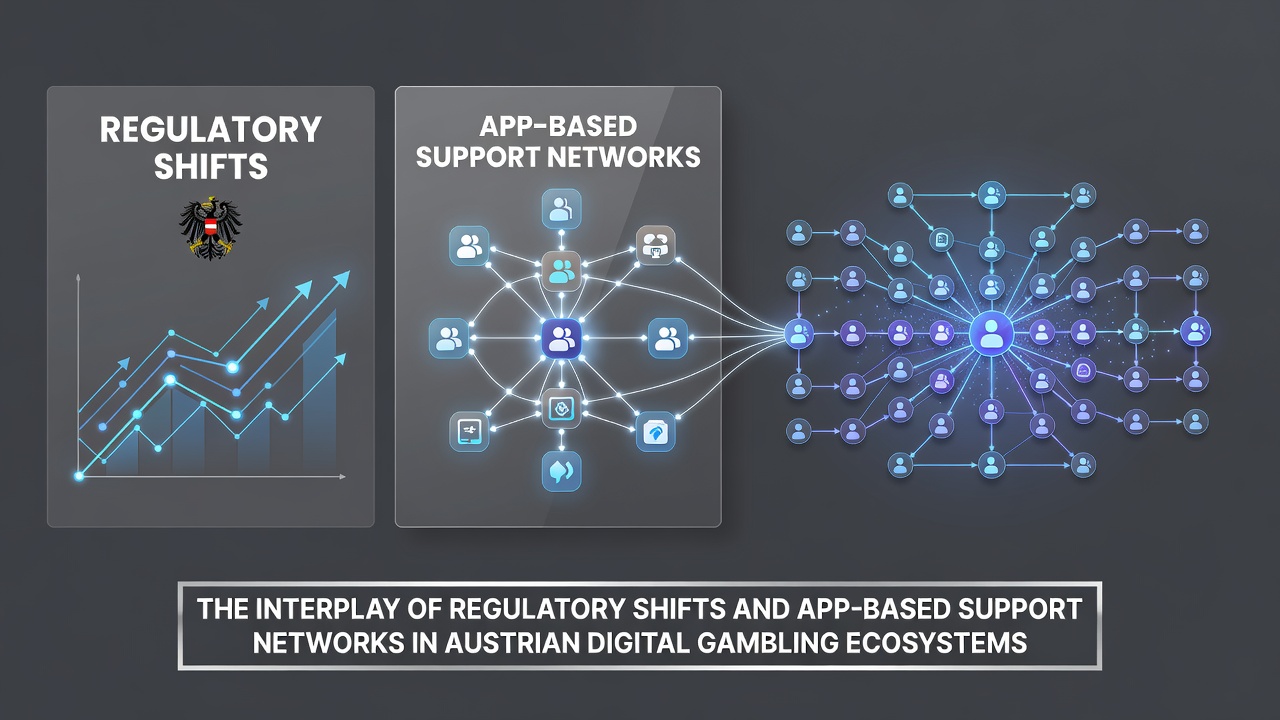
Regulatory changes in Austria have shaped digital gambling platforms since the updates to the Glücksspielgesetz, and these shifts directly influence how app-based support networks operate within licensed ecosystems. Operators must integrate tools for player assistance that align with federal requirements for responsible gaming measures, while support features such as real-time chat interventions, automated limit notifications, and links to external counseling services appear embedded directly in mobile applications. Data from the Austrian Federal Ministry of Finance indicates that compliance rates for these integrated systems reached 92 percent among authorized providers by early 2025, reflecting the structured approach authorities have taken toward digital oversight.
Current Regulatory Framework and Its Digital Implications
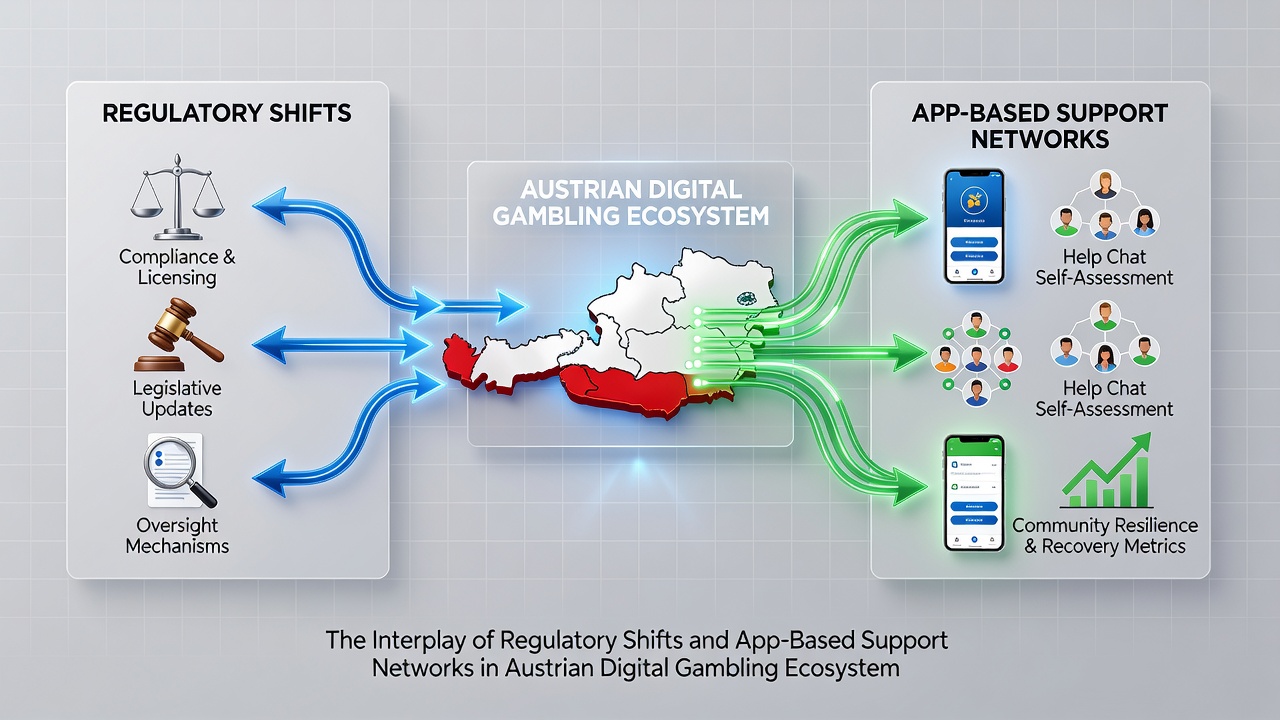
Austrian authorities enforce a state-controlled model for online gambling activities, which requires all platforms to maintain licensed status through the Federal Ministry of Finance, and this structure extends to the technical specifications for support mechanisms in apps. Recent amendments emphasize mandatory inclusion of behavioral tracking algorithms that feed into support protocols, allowing apps to flag patterns of extended play sessions and trigger personalized interventions without user initiation. Those who have examined compliance records note that platforms must report aggregated support interaction metrics quarterly, creating a feedback loop between regulatory bodies and operators that refines how assistance networks function across user bases.
Development of App-Based Support Features
App developers in Austria have adapted support networks to include modular components such as self-exclusion databases synchronized across multiple operators, in-app access to licensed therapists, and community forums moderated under strict data protection rules. These elements emerged as direct responses to regulatory directives that prioritize accessibility of help resources within the same interface where gambling occurs. Research conducted by the European Institute for Gambling Studies shows that Austrian apps incorporating these networks recorded a 28 percent increase in voluntary support engagements between 2023 and 2025, while usage patterns reveal higher interaction rates during evening hours when mobile activity peaks. Integration with national helplines occurs through API connections that maintain user anonymity, and operators receive guidance documents that specify response time standards for automated alerts.
Connections Between Policy Changes and Network Functionality
Policy adjustments often mandate specific thresholds for support activation, such as deposit frequency limits that automatically prompt users toward resource pages, and these rules have prompted developers to redesign notification systems for greater clarity and reduced disruption. Observers note that when new reporting obligations took effect in late 2024, several major platforms expanded their app support layers to include predictive analytics drawn from anonymized play data, enabling proactive outreach before issues escalate. This interplay creates a dynamic environment where regulatory compliance drives innovation in support delivery, yet the core architecture remains anchored in federal guidelines that prohibit certain monetization tactics around assistance features. What's interesting is how synchronization between the central player registry and individual apps allows for seamless transfer of exclusion statuses, ensuring continuity of protection across devices and operators.
Implementation Patterns Observed in Licensed Platforms
Take one operator that adjusted its app architecture following the 2024 clarification on digital support standards, and the result involved embedding direct video consultation options alongside traditional text-based resources, all while maintaining full audit trails for regulatory review. Figures from the Austrian Statistical Office reveal that mobile gambling sessions incorporating support interactions averaged 14 percent shorter durations compared to those without such features, suggesting measurable effects on user behavior patterns. External partnerships with organizations like the Austrian Society for Addiction Research have supplied content libraries that apps draw upon for educational modules, and these collaborations operate under formal agreements that specify content accuracy and update frequencies. Platforms must also accommodate multilingual support options to serve diverse user demographics, aligning with broader EU accessibility directives that intersect with national gambling rules.
Anticipated Developments Around June 2026
Scheduled reviews of the licensing framework set for June 2026 are expected to introduce enhanced requirements for artificial intelligence integration within support networks, particularly for early detection of risk indicators in app usage logs. Authorities have circulated draft proposals that would require real-time data sharing between apps and a centralized monitoring hub, which could streamline how interventions are coordinated across the ecosystem. Industry reports from the European Gaming Association indicate that similar expansions in neighboring jurisdictions have led to standardized protocols for cross-border support referrals, and Austrian operators are preparing technical infrastructure accordingly. These upcoming adjustments build upon existing foundations rather than replacing them, maintaining continuity while addressing emerging technological capabilities in mobile environments.
Broader Ecosystem Effects and Data Trends
Analysis of support network utilization across Austrian apps shows consistent growth in engagement metrics, with particular emphasis on features that allow users to set custom boundaries tied directly to regulatory caps. Academic studies from the University of Graz have documented how these app-embedded tools correlate with improved retention of responsible gaming practices over extended periods, though researchers emphasize the need for ongoing evaluation as platforms evolve. The interplay continues to generate operational adjustments, as providers refine algorithms based on feedback from both regulators and aggregated user outcome data. External links to resources such as the Austrian Federal Ministry of Finance gambling portal and reports from the Public Health Agency of Canada on digital interventions provide additional context for understanding these parallel developments in other regions.
Conclusion
The relationship between Austrian regulatory shifts and app-based support networks demonstrates a structured evolution driven by compliance mandates and technical integration, with measurable impacts on how assistance reaches users within digital gambling environments. As preparations advance toward the June 2026 review cycle, the ecosystem continues to adapt through data-informed refinements that connect policy directives with practical app functionalities, ensuring support mechanisms remain aligned with federal standards across the licensed sector.