Mapping Legal Boundaries to Incentive Designs and User Safeguards in Austrian Mobile Gaming Environments
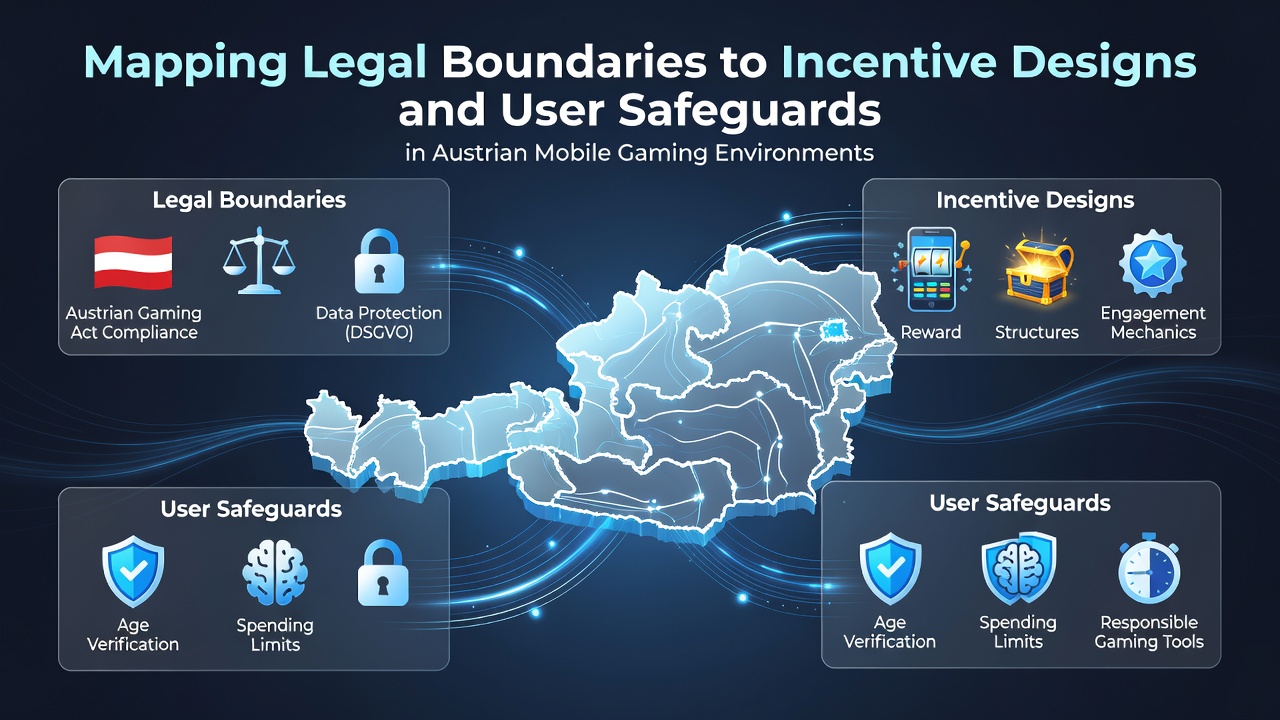 Austrian mobile gaming platforms operate under a framework where legal statutes directly shape how operators structure incentives such as deposit matches and free spins while embedding mandatory user safeguards. The Glücksspielgesetz sets precise parameters that developers must translate into app features, ensuring every promotional element aligns with restrictions on targeting and accessibility. Researchers at institutions tracking regulatory compliance note that these boundaries prevent unchecked bonus proliferation and require real-time checks before any reward activates. Legal definitions of incentives cover not only monetary rewards but also loyalty programs and tournament entries, all of which must display clear terms within the mobile interface. Developers integrate automated systems that flag when a promotion exceeds permitted thresholds, triggering immediate adjustments. Data from licensed operators indicates that such mappings reduce disputes because players encounter transparent eligibility criteria before engaging with any offer.
Translating Statutory Limits into App Mechanics
Statutory provisions require that incentive designs incorporate spending caps tied to a user's verified account history, and mobile teams achieve this through backend algorithms that monitor cumulative activity across sessions. When a player approaches a legal threshold, the app displays warnings drawn directly from regulatory language rather than marketing phrasing. Observers note that this approach maintains compliance without disrupting gameplay flow.
Age verification protocols link directly to incentive access, blocking anyone under 18 from viewing or claiming bonuses until identity checks complete via government-approved databases. Mobile developers embed these gates at the registration stage so later stages of game exploration remain unaffected for verified adults. Figures from regulatory filings show that integration of these steps has streamlined onboarding while preserving safeguard integrity.
User Safeguards Embedded in Incentive Pathways
Self-exclusion tools connect to incentive systems so that once a player activates a cooling-off period, all active promotions pause automatically and cannot restart until the exclusion lifts. App architects design these connections as single-point controls accessible from account menus, ensuring users encounter no conflicting messages between reward notifications and protection options. Studies conducted by European research groups reveal that synchronized systems lower instances of unintended re-engagement.

Deposit and loss limits function as dynamic boundaries that scale with incentive claims, and operators must recalculate available rewards whenever a player adjusts these settings mid-session. Mobile interfaces present these limits alongside bonus progress bars, creating visual mappings that keep users informed without requiring separate navigation. According to reports issued by the Austrian Federal Ministry of Finance, consistent application of these features supports broader responsible gaming objectives across the sector.
Developments Anticipated for July 2026
Regulatory updates scheduled for July 2026 will require additional layers of real-time auditing for incentive delivery, compelling developers to incorporate blockchain-style logging that records every reward transaction against safeguard parameters. Mobile platforms already testing these protocols report smoother certification processes when the new rules take effect. Those monitoring the transition expect operators to release updated app versions in advance to avoid service interruptions.
Cross-border considerations also surface in these mappings because Austrian licenses restrict certain incentive structures that remain permissible elsewhere, forcing developers to geofence features based on user location data collected at login. Academic papers from the University of Vienna's gambling studies unit examine how such restrictions influence overall user retention patterns without compromising protection standards.
Conclusion
The ongoing process of mapping legal boundaries to incentive designs and user safeguards continues to evolve as Austrian authorities refine enforcement mechanisms for mobile environments. Operators maintain compliance by treating regulatory text as functional specifications rather than external constraints, resulting in apps where incentives and protections operate as interconnected components. Evidence from compliance audits and academic tracking confirms that these integrated approaches sustain market activity while meeting statutory requirements through July 2026 and beyond.