Austria's Regulatory Influence on Casino App Design and Player Protection Strategies
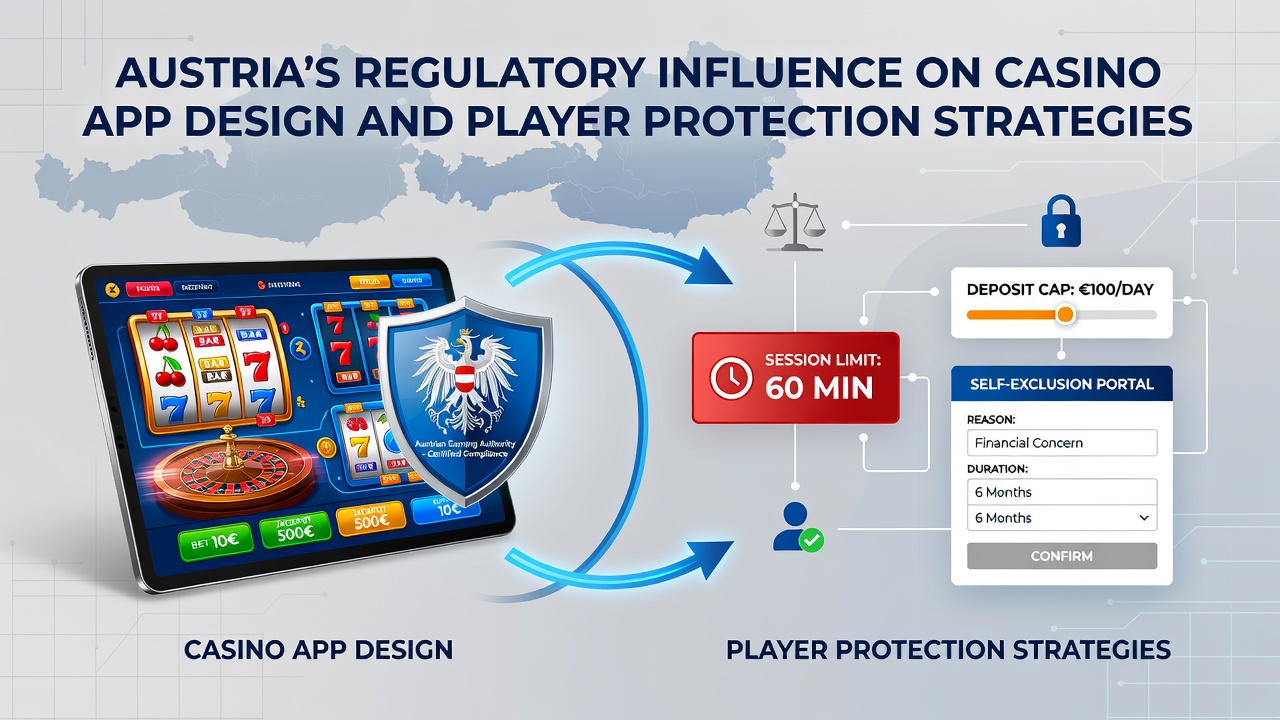
Austria maintains a structured approach to gambling oversight through its national legislation, which directly shapes how casino applications must incorporate design elements that prioritize user safety and compliance, and observers note that these rules extend to features like interface layouts, notification systems, and data handling protocols while developers align their products with the requirements set out in the Glücksspielgesetz and related ordinances.
Foundations of Austrian Gambling Regulation
Data from official records shows that the Austrian system operates under centralized licensing managed by federal authorities, which means every casino app seeking market access must demonstrate adherence to standards that limit certain promotional mechanics and enforce transparent transaction processes, and this framework has evolved through amendments that address emerging digital risks without disrupting established operational guidelines.
Those who've examined the regulatory history find that Austria distinguishes between land-based and online segments, requiring online operators to integrate specific controls that prevent unauthorized access and monitor play patterns in real time, whereas the rules also mandate cooperation with local financial institutions for payment verification to reduce fraud exposure.
How Regulations Shape Casino App Design Elements
Design teams working on casino applications for the Austrian market incorporate mandatory interface components such as visible session timers, deposit caps, and quick-access links to support resources, because regulators specify that these elements appear consistently across screens rather than remaining hidden in menus, and this approach stems from directives that aim to make protective tools an integral part of the user experience instead of optional add-ons.
Research indicates that color schemes and layout decisions often follow guidelines discouraging high-contrast urgency cues that might encourage prolonged sessions, while navigation flows must include clear exit points and confirmation prompts before large wagers, and companies that have adapted their apps report that these constraints lead to streamlined interfaces that still deliver core functionality without excess visual distractions.
What's interesting here is how Austria's stance on marketing within apps prohibits targeted push notifications based on individual loss data, forcing developers to rely on neutral update systems that keep promotional content separate from gameplay areas.
Player Protection Strategies Embedded in Compliance
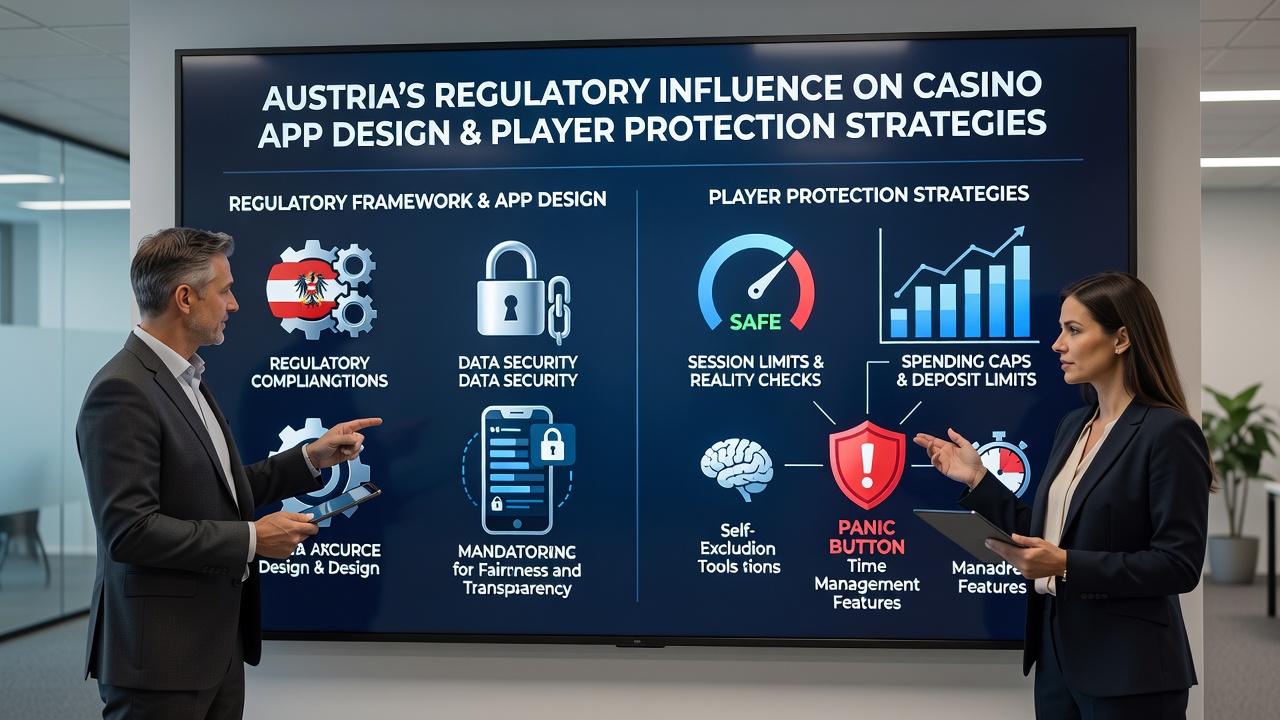
Player protection measures in Austrian-regulated casino apps include automated age verification through official identity databases combined with ongoing behavioral monitoring that flags unusual activity patterns, and these systems trigger interventions such as temporary pauses or personalized messages when thresholds are crossed, according to compliance documentation from licensed operators.
Evidence suggests that self-exclusion registers operate on a national level, allowing users to block access across multiple platforms simultaneously through a single request, whereas apps must sync with this central database in real time to enforce restrictions without delay, and this integration has prompted developers to build robust API connections that handle updates seamlessly during active sessions.
One study revealed that mandatory reality-check pop-ups, which summarize time and spend after set intervals, appear at frequencies dictated by regulatory schedules, and operators often enhance these with optional tools like loss-limit calculators that users can adjust within predefined boundaries to maintain control over their activity levels.
Anticipated Developments Around June 2026
Regulatory updates scheduled for June 2026 involve refinements to data analytics requirements that will influence how casino apps process player information for protection purposes, because authorities plan to introduce enhanced reporting on intervention effectiveness while maintaining existing privacy safeguards, and this timeline aligns with broader European discussions on digital service standards that could affect cross-border app functionality.
Those monitoring the sector observe that the changes may prompt further adjustments to notification designs and verification flows, yet licensed entities have already begun preparatory work to ensure continuity when the new provisions activate, and figures from industry briefings indicate that testing phases for updated compliance modules are underway across several platforms.
According to Austrian Federal Ministry of Finance guidelines, these forthcoming adjustments build on current licensing conditions without introducing entirely new categories of restrictions.
Conclusion
Austria's regulatory environment continues to guide casino app development toward integrated safety features that balance commercial objectives with user safeguards, and the June 2026 updates represent the next step in this ongoing alignment process, while the combination of design mandates and protection protocols provides a model that other jurisdictions reference when updating their own frameworks, as shown in reports from European gaming associations that track regional policy trends.