Austria's App Ecosystem: Unpacking Ties Between Secure Payments, Game Libraries, and Self-Help Tools for Players
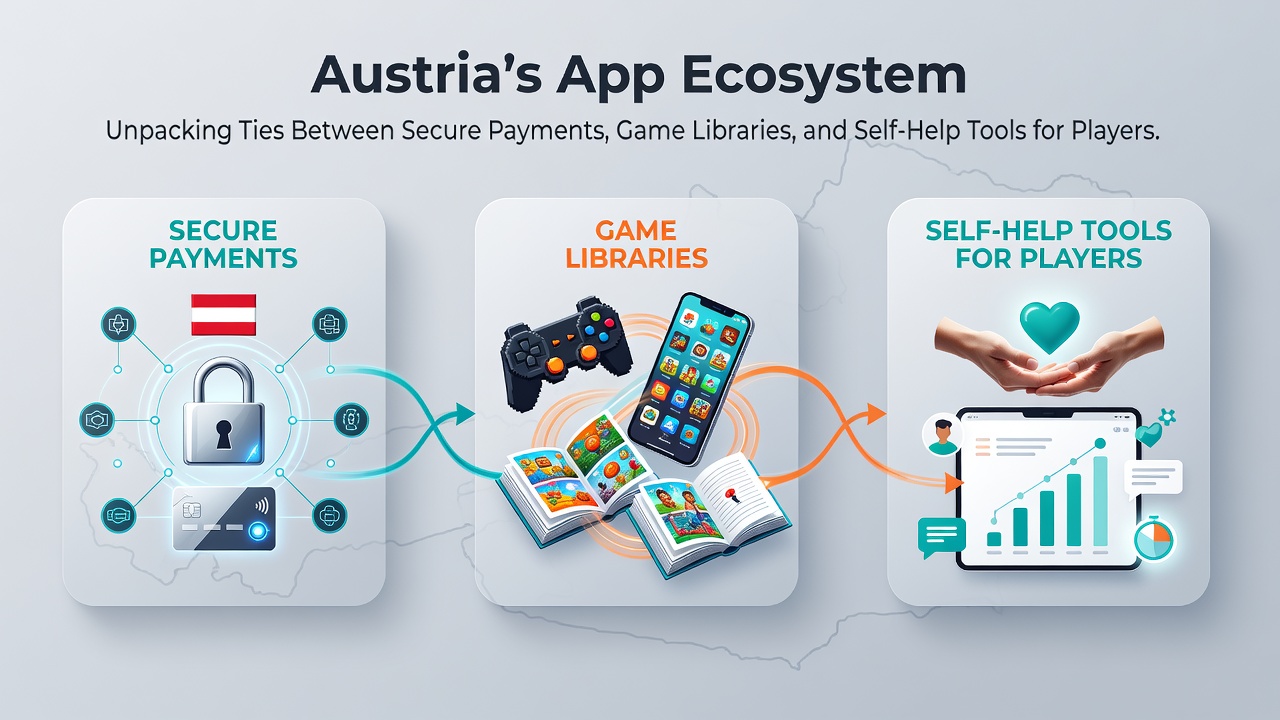
Secure payment gateways in Austrian licensed apps connect directly to extensive game libraries while feeding data into self-help modules that track player activity and trigger intervention prompts when certain thresholds appear. Observers note that these connections operate through encrypted transaction logs that update in real time and allow game access only after verification completes. Data from the Austrian Federal Ministry of Finance indicates that payment authentication processes now include multi-factor checks which simultaneously log session details for responsible gaming tools.
Payment Security as the Entry Point
Bank transfers, e-wallets, and card-based methods undergo certification under Austrian financial standards before integration into gambling platforms. Once a transaction clears, the system unlocks portions of the game library while passing anonymized usage metrics to self-help dashboards. Researchers at the University of Vienna have documented how these automated handoffs reduce delays between deposit confirmation and play initiation yet maintain audit trails required for compliance reviews.
July 2026 saw several operators update their encryption protocols to align with revised EU data protection guidelines, resulting in faster reconciliation between payment records and player limit settings. Those updates also enabled direct links from failed transaction alerts to optional cooling-off suggestions displayed within the app interface.
Game Libraries and Usage Tracking
Austrian apps typically organize game libraries into categories such as slots, table games, and live dealer options, each tagged with metadata that feeds into behavioral analytics engines. When players select titles, the system records duration, bet size, and outcome patterns, then cross-references these figures against predefined self-exclusion or deposit limit parameters. Industry reports show that this tagging process allows operators to surface personalized prompts without interrupting core gameplay sequences.
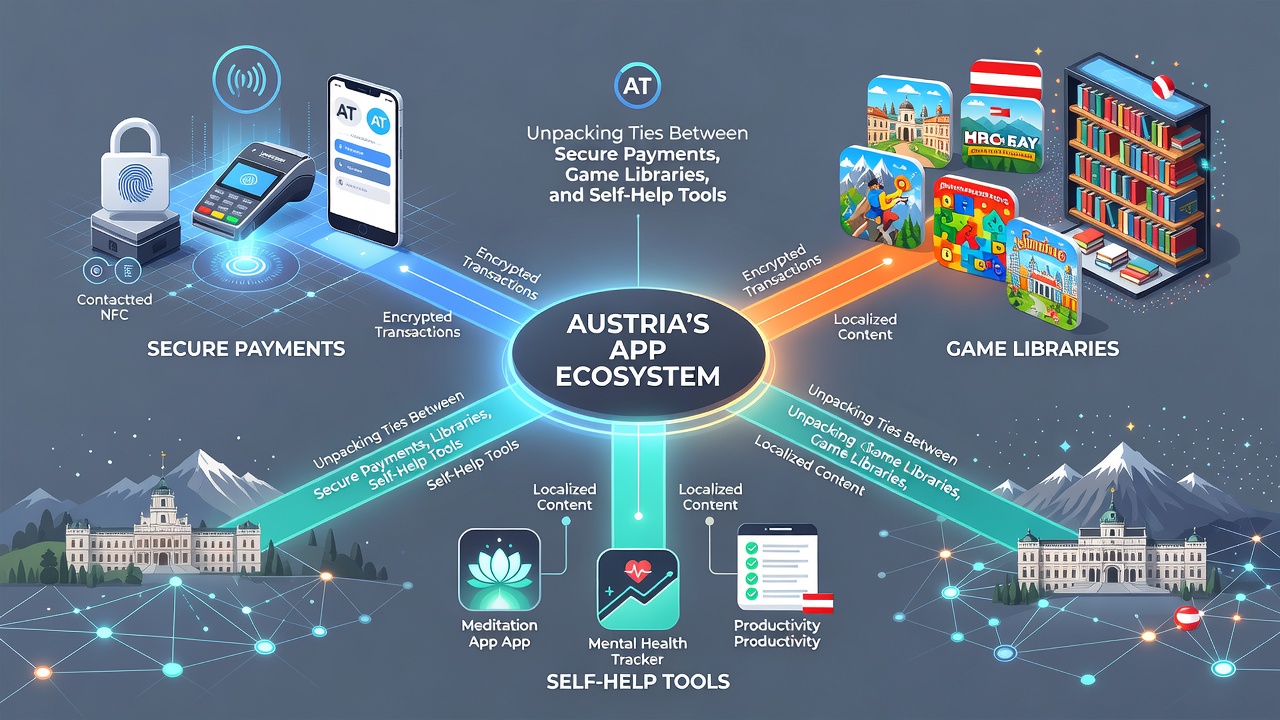
One study released in early 2026 by the European Gaming and Betting Association examined how library navigation patterns correlate with voluntary limit adjustments. Findings revealed that users who frequently switch between game types tend to engage more readily with session time reminders that appear after payment activity spikes. These reminders draw directly from the same transaction database used for deposit processing.
Self-Help Tools Integrated at the Infrastructure Level
Self-exclusion lists, reality checks, and budget trackers sit within the same backend architecture that handles payments and game unlocks. When a player activates a limit through the self-help menu, the change propagates instantly to both the payment processor and the game server, blocking further deposits or access until the restriction lifts. Austrian regulatory filings confirm that such synchronized systems must undergo independent audits every twelve months to maintain licensing.
Operators have introduced optional features that link payment history visualizations to personal spending summaries, allowing users to view aggregated data across multiple sessions. According to figures released by the Austrian Gaming Association, adoption of these combined views increased by twelve percent between January and July 2026.
Technical Architecture Supporting the Connections
Application programming interfaces route payment confirmations through secure channels that also carry signals to the self-help layer. Game servers receive authorization tokens only after both payment and compliance checks complete successfully. This layered approach prevents isolated failures from exposing player data while maintaining continuous monitoring across all three components. Technical documentation from major Austrian platform providers describes redundant verification steps that activate whenever any single module detects unusual activity patterns.
Developers continue to refine these interconnections to accommodate emerging payment technologies such as instant bank transfers and digital wallets that carry built-in spending controls. Integration of these newer methods requires mapping each new data field to existing self-help variables so that limit enforcement remains consistent across the library.
Conclusion
The Austrian app ecosystem demonstrates measurable linkages between secure payment systems, curated game libraries, and embedded self-help mechanisms through shared data flows and synchronized authorization processes. Regulatory filings, academic studies, and operator reports collectively illustrate how these elements operate as an interconnected framework rather than standalone features. Continued updates scheduled for late 2026 aim to further align transaction security protocols with evolving behavioral tracking capabilities.